
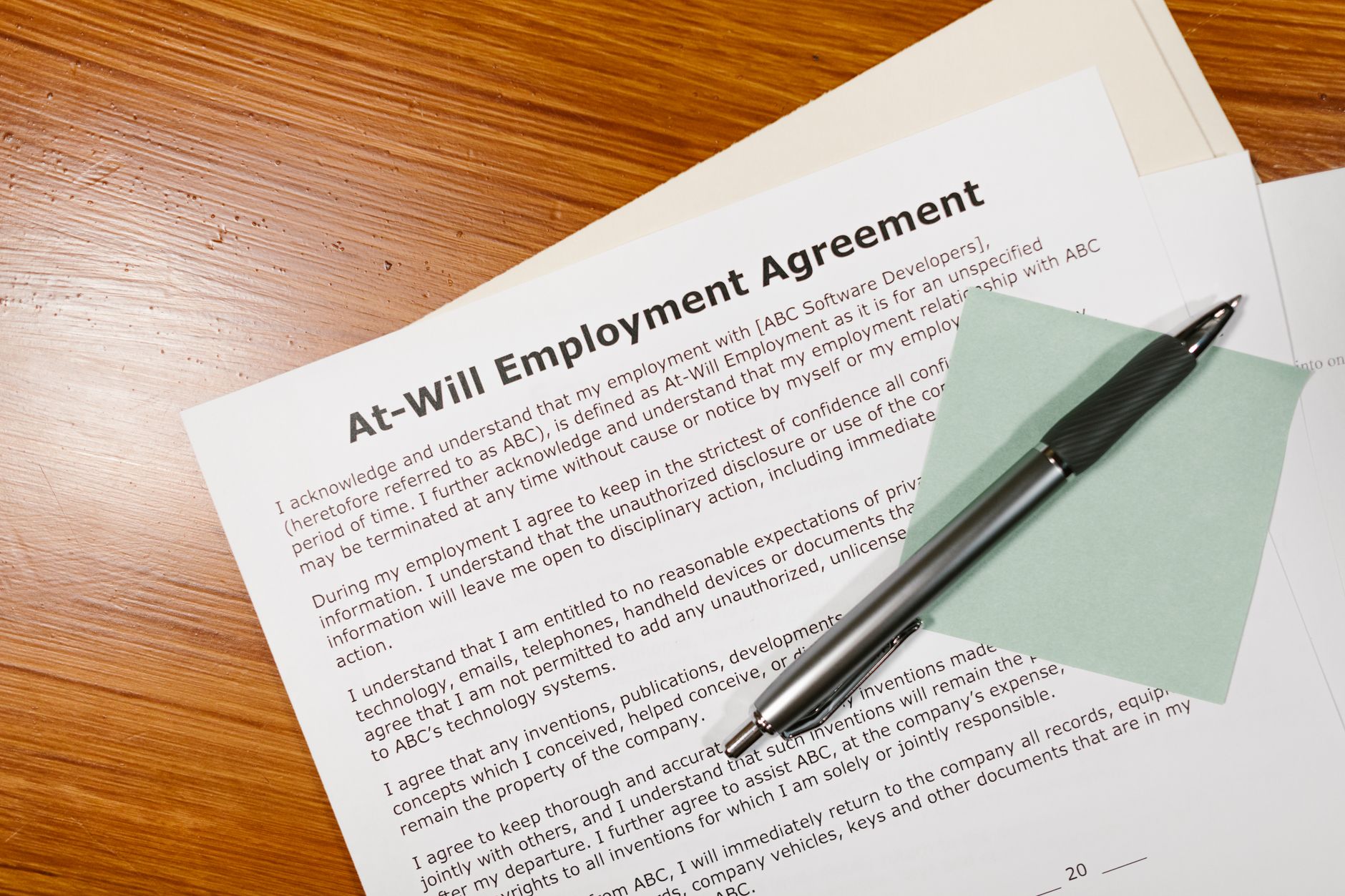
Understanding Your Rights After Medical Leave
Returning from medical leave to find a sudden demotion can feel like a punch to the gut. The job you expected to come back to-the same or an equivalent position-is gone, replaced by lower pay, less responsibility, or a title that does not reflect your experience. While employers sometimes restructure for legitimate business reasons, a demotion immediately after protected leave often raises red flags under federal laws like the Family and Medical Leave Act (FMLA) and anti-retaliation provisions enforced by the Equal Employment Opportunity Commission (EEOC). This article walks you through the practical steps you can take to protect your rights, starting with the documents you should gather and ending with a clear comparison of your formal options.
Start with the FMLA Restoration Right
If your medical leave was covered by the FMLA-meaning you worked for a covered employer, were eligible, and took leave for a qualifying reason-you generally have the right to be restored to your original job or an equivalent position upon return. An "equivalent" job must have the same pay, benefits, and working conditions, and involve substantially similar duties and skill. A demotion that reduces your salary, strips supervisory authority, or assigns you to a less desirable shift or location likely violates this rule unless the employer can prove the action would have occurred regardless of your leave (for example, a company-wide restructuring that eliminated your original role).
Even if your leave was not FMLA-protected (e.g., you had not been with the company long enough, or the employer is too small), other laws may apply. The Americans with Disabilities Act (ADA) may require reasonable accommodation for a disability, and some state laws provide broader leave rights. But the FMLA remains the cornerstone of job protection for medical leave-so document whether your leave was designated as FMLA. Look at your initial leave request forms, approval emails, or any document that references "FMLA." If it was, your employer had an obligation to inform you of your rights.
If It's Retaliation, It's Illegal
Even if the FMLA doesn't technically apply to your situation, a demotion motivated by your use of medical leave may constitute unlawful retaliation. The EEOC enforces federal laws that prohibit punishing employees for engaging in protected activity-including taking leave under the FMLA, requesting an accommodation under the ADA, or reporting discrimination. Retaliation can take many forms: demotion, pay cuts, negative performance reviews suddenly appearing after your return, exclusion from meetings, or being assigned impossible tasks to set you up for failure.
The key is timing and pretext. If your previously positive performance hit a wall the moment you came back from leave, that's a strong indicator. Even if your employer claims you were demoted for performance reasons, you can challenge that explanation by showing the timing, your history of good evaluations, and any contemporaneous evidence that tells a different story.
Build Your Evidence File-Now
Before you say a word to anyone at work, start gathering documentation. Courts and agencies rely on proof, not assumptions. Here's what to collect and save in a personal (non-work-controlled) location:
- Leave approval records: FMLA designation notices, emails from HR confirming leave, return-to-work dates, and any medical certifications you provided.
- The demotion notice: Any written communication (letter, email, Slack message) that explains the change in your position, pay, or title. If the demotion was delivered orally, write down the date, time, location, who said what, and any witnesses.
- Pre-leave performance reviews: Positive evaluations, kudos, emails praising your work, promotion feedback, or bonuses that show you were a valued performer before your leave.
- Post-leave evidence: New, contradictory performance criticisms, changes in your duties or reporting lines, and any other signs of a targeted shift.
- Comparators: Information about how other employees in similar situations were treated. Did anyone else take similar leave and return to an equivalent job? If you know of employees who were not demoted after similar absences, note that.
- Policies and handbooks: Copies of the employee handbook, leave policies, anti-retaliation policies, and any relevant union contract. These can show the employer's own rules and may contradict their actions.
- Chronological log: A simple dated journal of events, conversations, and your observations. Keep it factual-no speculation.
Consider an Internal Complaint-With Caution
Many companies have internal complaint procedures, often through HR or an ethics hotline. Filing an internal complaint can serve two purposes: it may resolve the situation quickly without external involvement, and it creates a legal record that you raised the issue. Under the law, an employer cannot retaliate against you for reporting what you reasonably believe to be a violation of your rights.
However, approaching HR is not without risk. Some employers may become defensive, escalate hostility, or look for ways to build a paper trail to justify the demotion after the fact. Before you file internally, weigh the culture of your workplace. If you have a strong union, involve your representative from the beginning. If you decide to proceed, put your complaint in writing, keep it professional, and state clearly that you believe the demotion violates your FMLA job restoration rights and/or constitutes retaliation. Attach supporting documentation. Request that the company restore you to your previous or equivalent position. Keep a copy of everything.
External Options: Agencies, Negotiation, and Litigation
If internal steps fail-or you skip them because you fear retaliation-the next phase involves external enforcement. The table below compares the four most common paths. Deadlines are critical: under the FMLA, you generally have two years from the violation (three for willful violations) to file a lawsuit or complaint with the Department of Labor's Wage and Hour Division (WHD). Under laws enforced by the EEOC, you typically must file a charge within 180 or 300 days of the discriminatory act, depending on your state. Missing these windows can bar your claim permanently.
Red Flags That Point Toward Legal Help
You may want to consult an employment lawyer sooner rather than later if any of these are true:
- The demotion happened days or weeks after you returned from leave, with no prior performance issues.
- You were replaced by someone who did not take leave, or your position was filled permanently while you were out.
- Your employer suddenly started documenting minor mistakes or imposing new performance improvement plans right after your return.
- You are being treated differently than other employees who took similar leave.
- You were discouraged from taking leave or threatened with adverse consequences if you did.
Many employment lawyers offer free or low-cost initial consultations. They can help you evaluate the strength of your claim, calculate potential damages, and navigate the often-confusing deadlines. If money is a barrier, check whether your state bar association offers a referral service or whether a local legal aid organization handles employment matters. Some lawyers also take cases on a contingency basis, meaning they collect a fee only if you win.
What You Can Do Right Now
- Do not quit. A forced resignation may hurt your legal position. If you feel you cannot stay, talk to a lawyer first.
- Start your evidence file today. The documents you save now could make or break your case.
- Check your pay stubs. Confirm that your wages were reduced. Even a small drop matters.
- Look at the employee handbook for the internal complaint procedure and follow it if you choose that path.
- Note all deadlines on a calendar. Missing a deadline can wipe out your right to recover.
- Speak with an attorney if anything in this article raises a question about your specific situation. Only a lawyer licensed in your state can advise you on the law as it applies to your facts.
Sources checked
These public resources were checked while preparing this general legal education article. They are starting points for verification, not a substitute for advice from a qualified professional familiar with the facts and jurisdiction.
Keep researching
Next questions readers usually ask
- Can a Collection Agency Add Fees That Were Never in the Original Bill?
- Can a Furniture Store Keep Delaying Delivery Without Letting You Cancel?
- Can Hidden Hotel Resort Fees Be Challenged After Checkout?
- Can You Cancel a Timeshare Purchase After Buyer's Remorse?
- Can You Dispute Unauthorized Zelle or Payment App Transfers?
- Can You Fight a Medical Bill Sent to Collections Before Insurance Finishes?