
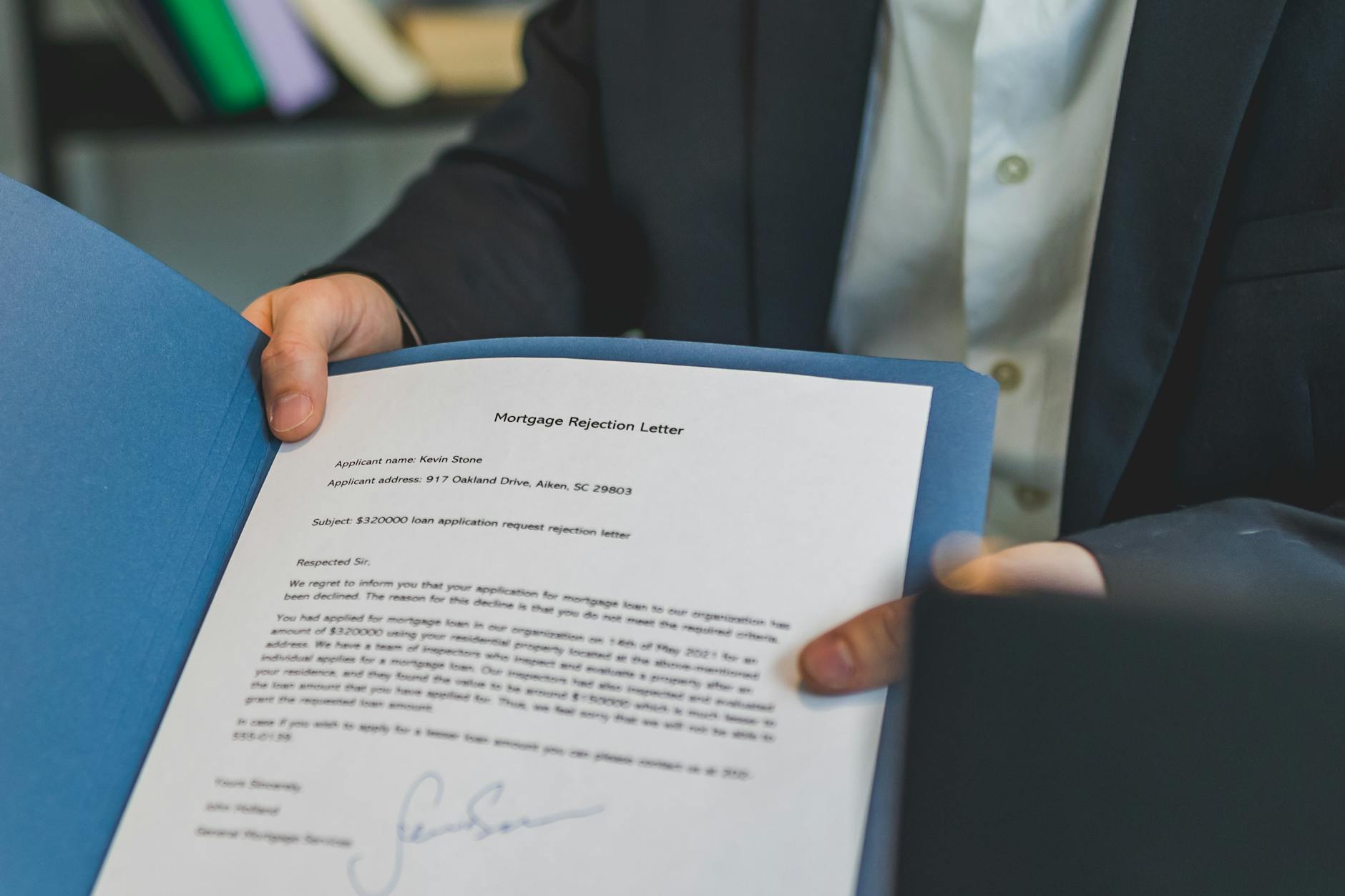
Understanding Why Banks Freeze Accounts
When a bank suddenly freezes your account, it can feel like your funds are held hostage. Common triggers include suspected fraud, a garnishment or levy, a change in your personal information, or a bank error. In many cases, the bank may not immediately provide a clear reason due to internal policies. Regardless, you have options to regain access to your money.
Your Immediate Action Plan
The moment you discover the freeze, take these steps:
- Contact the bank immediately. Call the customer service number or visit a local branch. Ask specifically why the account was frozen and what documentation you need to provide to resolve it.
- Document everything. Write down the date, time, and name of every representative you speak with. Keep a log of what they tell you. Save any emails or letters.
- Request a written explanation. Banks are required to provide notice for certain freezes (such as garnishments), but you can always ask for something in writing.
Build Your Documentation Checklist
Having the right paperwork can speed up the process. Gather:
- Bank statements from the past 3-6 months.
- Copies of any letters or notices from the bank.
- Identification (driver's license, passport).
- Proof of address (utility bill, lease).
- If the freeze relates to a specific transaction, receipts or contracts.
- A written timeline of events leading up to the freeze.
Escalation Ladder: From Phone Call to Court
If the front-line representative can't (or won't) help, move up the chain systematically:
- Speak to a supervisor. Stay calm but persistent. Explain your situation and ask for a case number.
- Contact the bank's executive office. Look for the "Office of the President" or executive customer service. They often resolve complaints faster.
- File a complaint with regulators. Federal agencies like the Consumer Financial Protection Bureau (CFPB) and the Office of the Comptroller of the Currency (OCC) accept consumer complaints. You can also reach out to your state's attorney general or banking department.
- Consider legal options. For smaller amounts, small claims court may be an option. For larger issues, consult an attorney with experience in banking law.
Comparing Dispute and Recovery Options
The table below outlines common paths to resolve a bank freeze or recover your funds. Choose based on the reason for the freeze, the amount involved, and your comfort with formal processes.
When the Freeze Involves Suspected Fraud or Unauthorized Transactions
If the bank froze your account due to unusual activity that you did not authorize, you have rights under federal law. The Electronic Fund Transfer Act generally limits your liability for unauthorized debit card transactions if you report them promptly. Contact your bank in writing to dispute the charges and include your account number, the transaction details, and why you believe they are unauthorized. The Federal Trade Commission provides detailed guidance on disputing charges and protecting your rights.
If the Freeze Is Tied to a Debt or Garnishment
Sometimes an account is frozen because a creditor obtained a court order or because of a government garnishment. In these situations, you should receive a notice explaining the legal basis. You may be able to challenge the garnishment in court or claim exemptions for certain funds (like Social Security benefits). The CFPB offers resources to understand your rights when dealing with debt collection and wage garnishment. Do not ignore court papers-acting quickly can help you protect exempt funds.
File a Complaint with Government Agencies
If the bank refuses to provide a reason or resolve the freeze, you can file a complaint with a government watchdog. The CFPB forwards complaints to the bank and tracks their response. You can also file with your state's attorney general or banking regulator. USAGov provides a centralized list of where to file complaints about consumer financial products. Be prepared to upload your documentation and describe your issue clearly.
Watch Your Credit Reports
A bank freeze itself does not appear on your credit report, but if the freeze leads to missed payments, those negative marks can appear. Periodically check your credit reports for accuracy. If you see errors, you can dispute them with the credit reporting agencies. The CFPB explains how to obtain free credit reports and dispute inaccuracies.
When to Consult an Attorney
In many cases, self-help and regulator intervention can resolve the issue. However, seek legal advice if:
- The bank alleges criminal activity or money laundering.
- You have been sued by the bank or a creditor.
- The frozen amount is substantial, and the freeze threatens your livelihood.
- You believe the bank discriminated against you or violated your rights.
An attorney can review your account agreement, advise on your legal standing, and represent you in court or arbitration.
Prevention and Preparedness
While you can't prevent every freeze, you can reduce surprises:
- Keep your contact information current with the bank.
- Use strong, unique passwords and enable two-factor authentication.
- Monitor your account regularly for odd activity.
- Maintain a backup account at a different institution for emergencies.
- Understand your account agreement's terms about freezes and closures.
Sources checked
These public resources were checked while preparing this general legal education article. They are starting points for verification, not a substitute for advice from a qualified professional familiar with the facts and jurisdiction.
Keep researching
Next questions readers usually ask
- Can You Be Disciplined for Filing a Safety Complaint?
- Can You Challenge Auto-Renewal Terms Buried in Fine Print?
- Can You Challenge Unauthorized Charges on a Debit Card After the Deadline?
- Can You Get Money Back After a Contractor Uses Substandard Materials?
- Can You Recover Costs After Paying for Emergency Repairs Yourself?
- Can You Recover Costs When a Home Improvement Project Causes New Damage?