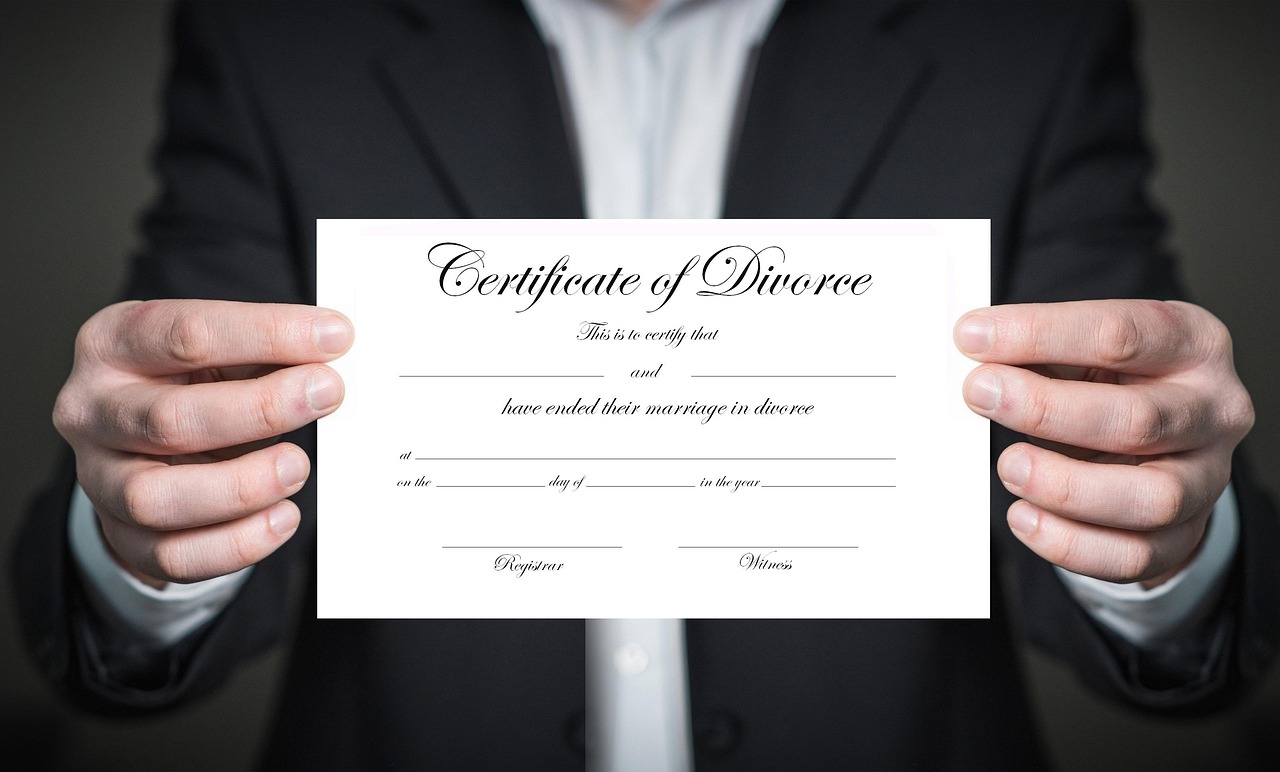

It's a homeowner's nightmare: you've paid thousands of dollars for a renovation, and the contractor simply stops showing up. Builder abandonment is a serious breach of contract, but a methodical approach can protect your position. This article outlines practical steps, evidence preservation, and the range of dispute resolution options-from negotiation to litigation-so you can decide how to proceed.
Immediate Steps: Document Everything
Securing evidence is your first priority. Courts and mediators rely on facts, not emotions.
- Photograph and video the site thoroughly. Capture wide shots of unfinished work, close-ups of defects, and any materials left behind. Date-stamp images if possible.
- Gather all written communications. Save text messages, emails, and notes from conversations. Export or screenshot project management app threads.
- Locate your contract and change orders. The original agreement is the basis of any claim. Look for dispute resolution, termination, and payment clauses.
- Compile a payment history. List all payments with dates, amounts, and methods. Keep copies of canceled checks, transfers, and receipts.
- Make a timeline. Note when work stopped, prior warnings, missed deadlines, and the builder's last communication.
Assess the Situation: Breach and Damages
Legally, a builder who abandons a project without valid reason has breached the contract. You are generally entitled to monetary damages to be "made whole." Damages may include the cost to correct or complete the work, temporary housing if the home is uninhabitable, and sometimes non-economic harm. In most states, specific performance (forcing the builder to finish) is not a remedy for personal service contracts; you will likely recover money, not compel further work.
Review your contract's termination clause. It may specify notice requirements, what constitutes default, and whether arbitration is mandatory. Many construction contracts require mediation or arbitration before any lawsuit.
Step-by-Step Dispute Resolution Pathways
You have several options, each with different costs, timeframes, and degrees of formality. Start with the least expensive and escalate only if necessary. Because rules vary widely by jurisdiction, consider consulting a local attorney before committing to a path.
1. Direct Negotiation
Sometimes a contractor walks off due to miscommunication or temporary cash-flow problems. A calm, documented conversation may reveal a resolution. If the builder agrees to return, put any new terms in writing and consider requiring a performance bond or milestone payments.
2. Demand Letter
If informal talks fail, a formal demand letter is often the next step. Draft a letter stating the facts, referencing the contract, listing your damages, and demanding a specific remedy (e.g., refund of $X or completion by a deadline). Send it by certified mail with return receipt. A demand letter signals seriousness and may be a prerequisite for small claims court in some states.
3. Mediation
Mediation involves a neutral third party who helps both sides reach a voluntary agreement. It is non-binding, confidential, and typically faster and cheaper than litigation. Some courts and contractor licensing boards offer low-cost mediation programs. Mediation works best when both parties are willing to compromise.
4. Arbitration
Arbitration is a private process where an arbitrator (or panel) hears evidence and makes a binding decision. Many construction contracts mandate arbitration. It can be quicker than court but the parties usually pay the arbitrator's fees. Decisions are generally final and difficult to appeal.
5. Small Claims Court
If your damages fall within the statutory limit-typically $2,500 to $25,000 depending on the state-small claims court offers a relatively fast, low-cost forum. Procedures are simplified, and lawyers are often not required. You present your case directly to a judge, and the decision is usually final and non-appealable by the defendant.
6. Civil Court (State or Federal)
For larger claims or complex circumstances, a lawsuit in the appropriate general jurisdiction court may be necessary. Civil litigation involves formal discovery, motions, and possibly a jury trial. It is expensive and time-consuming. Federal court is generally available only if the parties are from different states and damages exceed $75,000, or a federal question exists. Most construction disputes are heard in state courts. The U.S. Courts website provides an overview of civil case procedures and current filing fees.
Comparison of Dispute Resolution Options
The table below highlights key differences. Actual costs and timeframes vary widely.
Practical Considerations Before Escalating
- Check the builder's license and bond. Many states require residential contractors to be licensed and bonded. You may be able to file a claim against the contractor's bond or a state guarantee fund. Contact your state's contractor licensing board.
- Statute of limitations. Each state sets a time limit for breach of contract claims, often 2-6 years from the date of breach. Do not wait too long to act.
- Collectability. Even if you win a judgment, a builder without assets or one who declares bankruptcy may not pay. Research the contractor's financial status early.
- Insurance. Your homeowner's policy might cover some losses, but many exclude faulty workmanship. Check your policy.
When to Hire a Lawyer
If your damages exceed the small claims limit, the contract contains an arbitration clause you do not understand, or the builder has already hired an attorney, consult a construction lawyer. An attorney can assess your case, navigate procedural rules, and avoid costly mistakes. If you cannot afford a lawyer, resources like the Legal Services Corporation can help you find low-cost or pro bono legal aid in your area.
In summary, a builder walking off the job is highly disruptive, but a methodical approach protects your legal position. Gather evidence, understand your contract, and choose the dispute resolution path that balances cost, speed, and finality. Whether through negotiation, mediation, or court, acting promptly and confidently with the right information is essential.
Sources checked
These public resources were checked while preparing this general legal education article. They are starting points for verification, not a substitute for advice from a qualified professional familiar with the facts and jurisdiction.
Keep researching
Next questions readers usually ask
- Can a Company Force You to Use PTO During a Shutdown?
- Can a Non-Compete Stop You From Taking a Better Job?
- Can an Employer Keep You On Call Without Paying You?
- Can an Employer Punish You for Discussing Pay With Coworkers?
- Can You Be Fired After Reporting Wage Theft?
- Can You Be Fired for Refusing Unsafe Work?